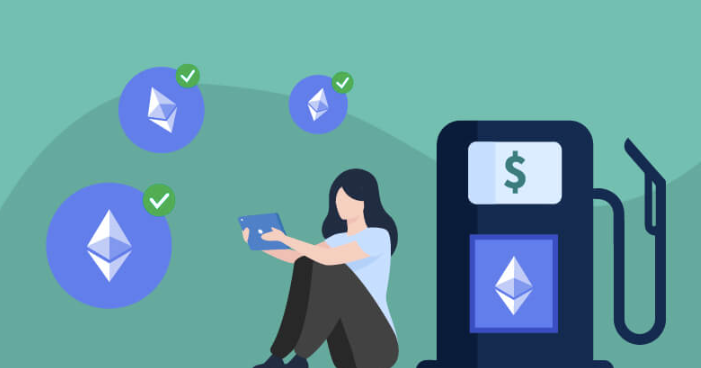
Gas fees represent a fundamental aspect of cryptocurrency transactions, particularly within blockchain networks. They serve as an economic incentive for miners to validate and process transactions. The cost of gas fluctuates based on various factors, impacting transaction speed and overall efficiency. Understanding these dynamics is essential for users aiming to optimize their interactions within the blockchain ecosystem. However, the implications of gas fees extend beyond mere costs, influencing broader network functionality and user experience.
What Are Gas Fees and How Do They Work for You?
Although often overlooked by casual users, gas fees play a crucial role in the functioning of blockchain networks, particularly those that support smart contracts, such as Ethereum.
The gas fee structure determines the cost required to process transactions, influencing transaction speed significantly. Higher fees typically expedite processing, while lower fees may result in delays, prompting users to strategically navigate this critical aspect of decentralized platforms.
Key Factors That Affect Gas Fees in Cryptocurrency
Gas fees in cryptocurrency are influenced by several key factors that determine their variability and impact on transaction efficiency.
Notably, network congestion leads to significant gas fee fluctuations, as increased demand can elevate costs.
Additionally, transaction priority plays a crucial role; users willing to pay higher fees can expedite their transactions, thereby navigating the network’s competitive landscape more effectively, enhancing their operational freedom.
Calculating and Optimizing Your Gas Fees
When navigating the complexities of cryptocurrency transactions, understanding how to calculate and optimize gas fees is essential for efficient operations.
Gas fee estimation tools enable users to gauge current network conditions, while transaction prioritization allows for strategic fee adjustments.
See also: esprit-turf
Why Do Gas Fees Matter for Blockchain Functionality?
How do gas fees influence the overall functionality of blockchain networks? They serve as a mechanism to prioritize transactions, directly affecting transaction efficiency.
High gas fees can deter users during periods of network congestion, leading to delays and frustration.
Conversely, appropriately set gas fees promote a more balanced ecosystem, enabling seamless interactions while incentivizing miners to maintain network integrity and security.
Conclusion
In the grand theater of cryptocurrency, gas fees play the role of the uninvited guest—essential yet often resented. These fees, fluctuating with the whims of network demand, serve as both gatekeepers and gremlins, ensuring only the most determined transactions make it through. As users grapple with these unpredictable costs, one might ponder whether the true price of innovation is simply a toll booth on the highway to decentralization. Ultimately, navigating gas fees is an art form in itself—one that demands both strategy and patience.