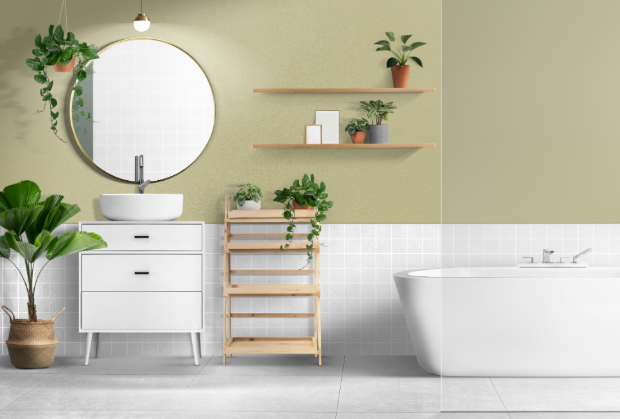
Eco-friendly bathroom upgrades merge water savings, healthier materials, and efficient energy use into a practical plan. Low-flow fixtures and rainwater reuse reduce demand on municipal systems, while durable, low-VOC materials limit indoor pollution. Smart lighting and occupancy controls cut energy use without sacrificing comfort. Evidence supports lifecycle benefits and cost savings over time. The approach balances performance with health and planetary impact, but the best path depends on space, budget, and local resources, prompting further evaluation.
What Makes an Eco-Friendly Bathroom Worth Upgrading
Assessing the value of upgrading to an eco-friendly bathroom hinges on tangible benefits: reduced water and energy use, lower utility costs, and diminished environmental impact.
The evaluation prioritizes water quality, material sourcing, and sustainability metrics, supported by a lifecycle assessment.
A thoughtful choice aligns personal freedom with resource stewardship, delivering measurable gains, transparent accountability, and lasting, verifiable improvements for occupants and the planet.
See also: esprit-turf
Water-Saving Fixes and Low-Impact Fixtures You Can Install
Water-saving fixes and low-impact fixtures provide measurable reductions in water use and lifecycle environmental impact.
Installing low flow fixtures minimizes consumption without sacrificing comfort, supported by data from utility programs and lifecycle analyses.
Simple choices—toilets, faucets, and showerheads—offer reliable payback.
Rainwater harvesting complements indoor efficiency, reducing municipal demand while supporting resilient, freedom-focused households that value self-sufficiency and environmental responsibility.
Low-Toxicity Materials and Sustainable Design Hacks
Low-toxicity materials matter because they directly affect indoor air quality, occupant health, and long-term environmental impact. Sustainable design hacks prioritize durable, low-emission products and responsible sourcing, enabling freedom from harmful exposures.
Recycled countertops reduce resource use while maintaining performance, and low VOC paints minimize off-gassing during and after installation. These choices support healthier spaces without compromising aesthetic or function.
Energy Efficiency and Smart Lighting for a Greener Bath
Energy efficiency and smart lighting work together to extend the benefits of using low-toxicity materials and sustainable design by reducing energy demand and improving indoor environmental quality. Smart lighting adapts to occupancy and daylight, lowering consumption without sacrificing comfort.
Regular energy audits identify gaps, validate savings, and guide upgrades, empowering homeowners seeking freedom through measurable, evidence-based decisions and greener bathroom practices.
Frequently Asked Questions
How Much Does an Eco-Friendly Bathroom Upgrade Typically Cost?
The cost for an eco friendly bathroom upgrade varies, but a typical project ranges from moderate to substantial investments, depending on fixtures and materials; it is cost focused, evidence-based, and framed as a prudent move for freedom and long-term savings.
What Is the Quickest ROI for Green Bathroom Changes?
Quick ROI favors instant upgrades: efficient fixtures, low-flow toilets, LED lighting, and smart thermostats, delivering lower utility costs, rapid payback, and timeless design. They combine measurable savings with enduring appeal, offering independence through cost efficiency and durable aesthetics.
Are Secondhand Fixtures Suitable for Eco-Friendly Baths?
Secondhand fixtures can be suitable, provided they meet safety and performance standards; eco friendly sourcing emphasizes verified provenance, material integrity, and traceable supply chains, ensuring durable, cost-effective choices that align with environmentally conscious values while preserving design flexibility.
Do Green Renovations Require Special Permits or Codes?
Yes, green renovations often involve permitting requirements and code compliance; navigating mismatched rules is possible with prepared documentation. Juxtaposed scales show compliance costs against environmental benefits, presenting a persuasive, evidence-based case for thoughtful planning and freedom to innovate.
How Do I Measure Bathroom Sustainability Progress?
Measuring bathroom sustainability progress relies on clear metrics: measuring progress, sustainability metrics, benchmarking, energy use. The approach is evidence-based and persuasive, guiding readers toward freedom by using transparent benchmarks, consistent data collection, and comparative analysis to drive meaningful improvements.
Conclusion
Eco-friendly bathroom upgrades pay back through reduced water use, healthier materials, and lower energy bills, while improving indoor air quality and comfort. Evidence supports low-flow fittings, durable low-VOC products, and LED lighting as high-impact choices. Smart controls tenants and homeowners can customize occupancy and daylight use, cutting waste. In short, upgrading is like planting a resilient, low-maintenance garden inside a home—steady, sustainable growth that benefits both people and the planet.